
Baler Strap for Vertical Balers: More Than Just a Strap
When choosing a vertical baler, most buyers naturally focus on pressing force, chamber size, bale weight and machine performance. But after the bale is compressed, another component determines whether it remains stable during handling and transportation: the baler strap.
For operators using vertical balers, the strapping material is not simply an accessory. The right vertical baler strap can make the entire baling process easier, from securing the compressed material to moving the finished bale.
What Happens After a Vertical Baler Compresses the Material?
A vertical baler compresses loose materials such as cardboard, plastic, paper and textile waste into a compact bale.
The machine creates the compression force, but once the bale leaves the chamber, that force is no longer actively holding the material together.
This is where baler strapping becomes important.
A suitable strap needs to keep the compressed material together while the bale is:
Removed from the baler
Moved by hand or forklift
Stored in a warehouse
Loaded onto a truck
Transported to a recycling facility
Handled during sorting or processing
If the strap cannot maintain sufficient tension, the bale may become loose and difficult to handle.
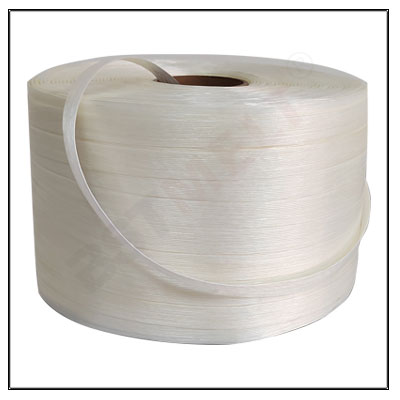
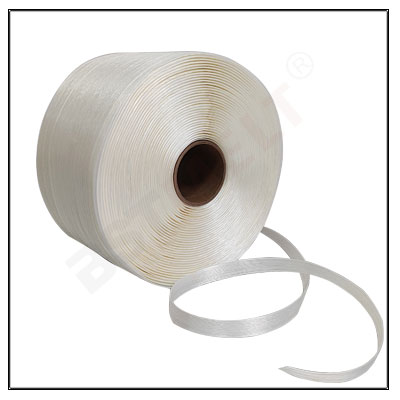
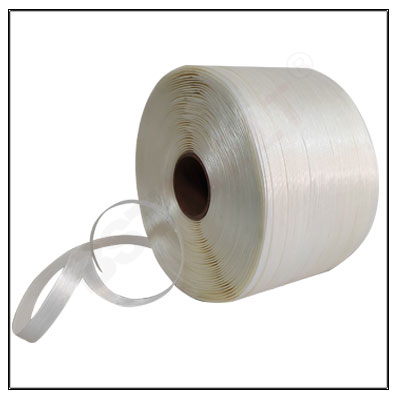
Why Is Strap Selection Important for Vertical Balers?
Not every bale has the same characteristics.
A cardboard bale, for example, behaves differently from a bale containing plastic film. The density, shape and expansion force of the material can vary considerably.
This means that choosing a baler strap for a vertical baler should not be based only on the strap's width.
The operator should consider three factors together:
1. Bale Expansion
Compressed materials naturally try to expand after the baling cycle.
The strap needs to withstand this outward force and maintain the integrity of the bale.
A strap with suitable tensile strength helps prevent the compressed material from loosening after ejection.
2. Bale Size and Density
A small, lightweight bale does not necessarily require the same strapping solution as a dense commercial bale.
For this reason, different vertical balers may require different strap specifications.
For example, commonly used widths can include 9 mm, 13 mm, 16 mm and 19 mm, depending on the machine, material and required bale strength.
3. Operator Handling
A good strapping solution should also make the operator's work easier.
During a busy recycling operation, workers may need to strap dozens or even hundreds of bales. A strap that is easy to unwind, cut, tension and fasten can help reduce unnecessary handling time.
This is particularly relevant for businesses using vertical balers in supermarkets, warehouses, retail stores, factories and recycling stations.
Baler Strap vs. Traditional Steel Strapping
For some applications, steel strapping has traditionally been used to secure heavy loads.
However, many vertical baler applications can use plastic baler strap as an alternative.
Plastic strapping is lightweight and does not have the sharp metal edges associated with steel strap. This can make manual handling more convenient for operators.
It can also be used with suitable buckles and manual or mechanical tensioning tools, creating a flexible strapping system around the vertical baler.
The most suitable solution depends on the bale material, bale density, required tensile strength and handling conditions.
The Connection Between the Baler and the Strap
One common mistake is to select the baler first and treat the strap as an afterthought.
In practice, the two should be considered together.
A vertical baler may have a specific bale size and compression force. The resulting bale then needs a strapping solution capable of holding that compressed material together.
A useful purchasing approach is therefore:
Vertical baler → Bale material → Bale density → Required strap strength → Strap width → Fastening method
This approach helps avoid selecting a strap simply because it is inexpensive or readily available.
How Many Straps Does a Vertical Baler Need?
There is no universal number for every vertical baler.
The required number of straps depends on the bale dimensions, material, density and the way the bale will be handled.
For larger or denser bales, several straps may be positioned around the bale to distribute the holding force.
For lighter bales, fewer straps may be sufficient.
The goal is not simply to use more straps. The goal is to create stable and evenly secured bales with an appropriate strapping configuration.
Choosing the Right Baler Strap
Before purchasing a new vertical baler strap, buyers should confirm several specifications:
Strap width:
Common options include 9 mm, 13 mm, 16 mm and 19 mm.
Tensile strength:
The required strength depends on bale weight, density and expansion force.
Length per roll:
Longer rolls can reduce the frequency of roll replacement during continuous operation.
Compatibility:
Check whether the strap works with the selected buckles, tensioner and baling process.
Packaging:
Consistent roll dimensions and stable packaging are particularly important for distributors and companies purchasing in bulk.
For Baler Manufacturers and Distributors
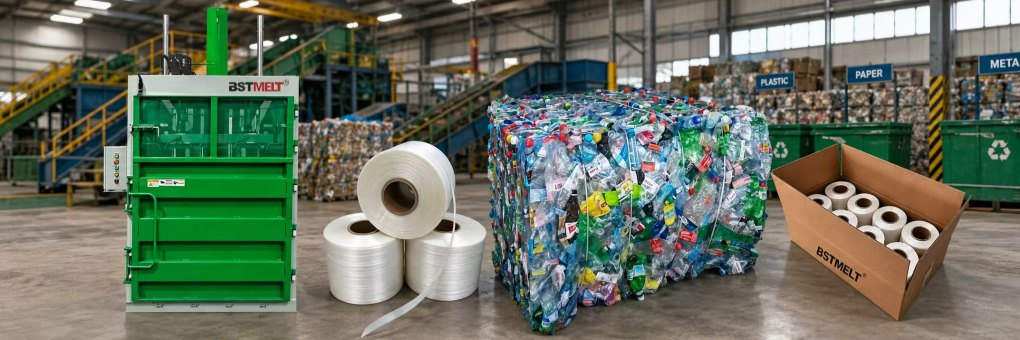
For companies selling vertical balers, offering compatible baler strapping can create an additional value proposition.
Instead of supplying only the machine, distributors can provide customers with a complete solution:
Vertical Baler + Baler Strap + Buckles + Tensioning Tools
This can make the purchasing process simpler for end users and also create an additional consumable product category for distributors.
For companies already selling waste compactors, balers or recycling equipment, baler strap can therefore complement their existing product range.
Final Thoughts
A vertical baler does the heavy work of compressing waste, but the job is not finished when the pressing cycle ends.
The bale still needs to stay together.
That is why baler strap deserves more attention when selecting equipment for cardboard, plastic, paper and other recyclable materials. The right combination of strap width, tensile strength, fastening method and bale configuration can contribute to more stable bales and easier handling.
For vertical baler users, the question is not simply:
“Which strap is cheaper?”
A better question is:
“Which strap is suitable for the bale I am producing?”
That shift in perspective can help operators build a more reliable and practical baling process.
Wendy shan | Sales Department
📧 Email: wendy@bstmelt.com
Send us your enquiry anytime!